Family Support
You haven't selected an area yet so you will only see core resources from across the UK. Select your local area from the home page
The family support strand of the Balanced System is about helping parents, carers and families be confident and well informed to support their child's development.
Click the star icon  next to the items you want to save and view them in your pathway
These resourcess offer individualised support. 17 matching resources have been found.
- Click here for resources that offer support to everyone
- Click here for resources that offer extra support
Stamma
The British Stammering Association, now known as Stamma since 2019, is a national organisation for children and young people who stammer and their families. It also provides information, advice and support for professionals working with children and young people who stammer.



Supporting Understanding
This video features six top tips to help a young person better understand what is being said to them.
It is part of a series that has been made to help parents and carers support young people (aged 11-18) with communication difficulties.
Cost: Free


Attention Autism
Attention Autism is an intervention model designed by Gina Davies, Specialist Speech and Language Therapist. It aims to develop natural and spontaneous communication through the use of visually based and highly motivating activities. It has been designed to help parents and professionals give their autistic child an irresistible invitation to learn, having fun whilst doing so and providing the child with an experience worth communicating about. Training is available for both professionals and parents.
Enquiry Line
The Speech and Language UK Enquiry Service gives parents a chance to discuss questions or concerns about their child’s speech, language and communication development with one of Speech and Language UK’s speech and language therapists. The therapists can give helpful information about children’s talking and communication development as well as tips on improving these skills. They can also offer advice on ages and stages and what can be done to help the child get the right support.
Cost: Free



Afasic
Afasic supports parents and carers with young children who have difficulties with listening, talking and understanding others. Here is information for you use and to share with families of the children you support. It includes a wide range of information about talking, listening and understanding and what might cause these difficulties. If families are worried that their teenager is not talking or not saying as much as other children of their age, they can contact Afasic by telephone or email to speak to someone who can help.
Cost: Free

Afasic Parent Helpline
If a parent is worried about their child / young person's speech, language and communication, share this Afasic helpline information so that they can speak to someone who can help by telephone or email.
Cost: Free

I CAN How to support communication
This information for families provides ideas for them to support their child / young person and forms part of Speech and Language UK's guide to the typical stages of speech and language development. Children and young people develop language at different rates and understanding what is typical and what parents and carers can do to support communication and language helps provide them with a great start.
Cost: Free
Health and Care Professions Council
The HCPC regulate health and care professions including Speech and Language Therapists. They do this by setting standards for professionals' education, training and practice; keep a register of professionals who meet their standards and take action if professionals on their register do not meet their standards. Here you will find their register.

RADLD
Developmental Language Disorder (DLD) is diagnosed when children and young people struggle with language, resulting in children who have difficulty understanding what people say to them, and struggle to articulate their ideas and feelings. This website provides you with information and resources to help identify and support children and young people with DLD. Information can also be shared with families and carers of children and young people with DLD.
Cost: Free

ASLTIP
The Association of Speech and Language Therapists in Independent Practice (ASLTIP) provides information and a contact point for members of the public searching for an Independent Speech and Language Therapist. It also provides members with access to a UK network of SLTs and ongoing professional support.
Cost: £

Teen Life Programme
Teen Life is a support programme for parents and carers, offering advice and guidance on strategies and approaches to working with autistic children and young people aged 10-16 years. The Teen Life programme aims to empower parents and supporting professionals to understand more about how autism is experienced by autistic teenagers.



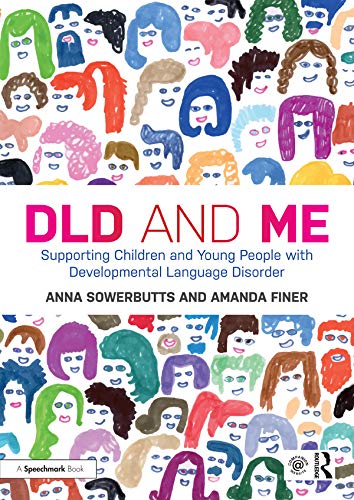
DLD and Me: Supporting Children and Young People with Developmental Language Disorder
DLD and Me is a functional, engaging resource for children and young people with DLD and the professionals and families that work with them. The book consists of an easy-to-follow, 12-week programme designed to help children and young people understand their strengths, what makes them different, what DLD is and how they can support their own communication in everyday life.
Engage with Developmental Language Disorder
Engage with Developmental Language Disorder (E-DLD) connects people affected by DLD to academic research. E-DLD keep families and individuals updated on research findings; current research projects; DLD-related activities. They also host events, allowing members to meet and share experiences. E-DLD supports researchers and other professionals working to improve outcomes for people with DLD.
Michael Palin Centre for Stammering
The Michael Palin Centre for Stammering helps children, young people and adults who stammer through individually-tailored therapy delivered by highly experienced specialists.
Action for Stammering Helpline
Action for Stammering Children (ASC) is a UK charity which aims for a society where children and young people who stammer have the same opportunities and quality of life as their peers. Their goal is to ensure that every child and young person across the UK who stammers has access to effective services and support to help them meet the challenges they face. Call their helpline to speak to a professional who will be able to answer your questions.
Cost: Free

SMIRA
SMIRA became a UK Registered Charity in 1992, having been set up initially to support families with selectively mute children. Here you will find further information, advice and resources for you to share with parents and carers to help them understand and support their child.
Cost: Free
NeuroSENse explainer - Facts and Myths about Deafness
This blog and video aims to raise awareness of several misconceptions related to deafness and language development and promote a better understanding of the barriers to language and communication that children with deafness can encounter.